
The Snook Frustration
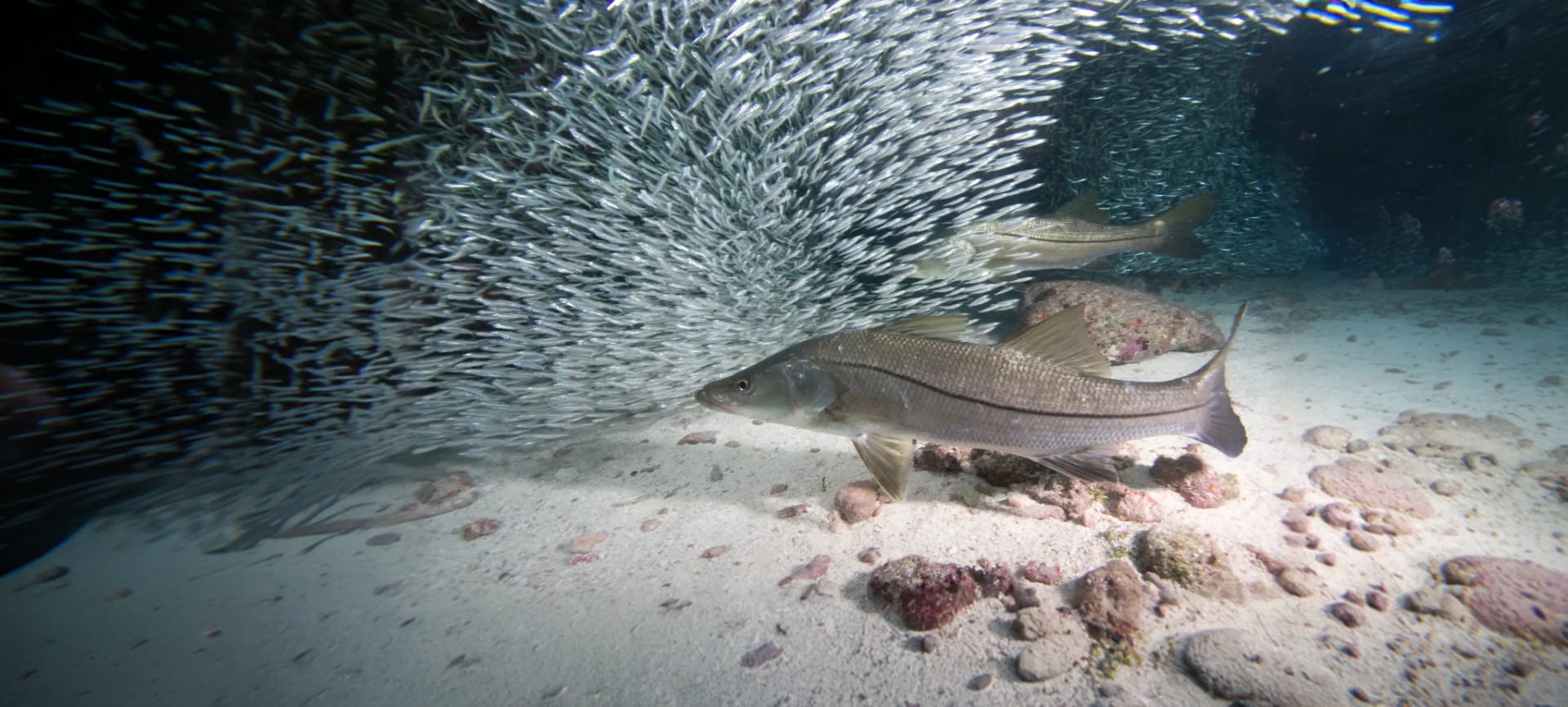
You’re out cruising the backwaters, hunting for snook. This spot’s legendary—everyone’s heard about the giants lurking here. It doesn’t take long before you find them: a school of snook so thick it looks like a fever dream, with fish ranging from “nice” to “holy shit.” You line up your cast, drop the closest thing you’ve got to live bait right in the middle—perfect placement, textbook retrieve, heart pounding because you just know you’re about to stick your personal best.
Twitch. Twitch. Reel. Nothing.
You swap baits, try every trick in the book, but the snook just ghost you. Stunned and stupefied, you’re left staring at the water, asking yourself, “What the f*ck just happened?”
Here’s the thing: snook are some of the pickiest eaters in Florida waters. Maybe your leader’s too thick, or too short, and you’re spooking them before the lure even gets close. Maybe the light’s too bright—snook love low-light ambushes at night, dawn, or dusk, but they can be convinced to eat deep in the mangroves and structure during daylight if you play your cards right. Sometimes it’s their mating season and they’re only feeding once a day. There’s a whole host of factors at play, and you won’t always overcome all of them.
But that’s the challenge—and the magic—of chasing snook. Stick around, and we’ll break down the tactics, gear, and local secrets that turn those “what the f*ck” moments into grip-and-grin glory shots.
Snook Species & Habitat: Know Your Target
- Common Snook (Centropomus undecimalis): Florida’s premier inshore predator.
- Lifecycle: Spawn in summer near passes and beaches; juveniles grow in mangrove creeks; adults roam coastal structure.
- Habitat: Mangroves, canals, bridges, beaches, spillways.
- Environmental Factors: Temperature-sensitive (seek warmth in winter), thrive in brackish water, and rely on moving current for feeding.
Gear & Tackle for Snook
- Rod: Medium-heavy, 7’–7’6”, fast action for power and precision.
- Reel: 3000–4000 spinning reel with smooth drag.
- Main Line: 20 lb braid for strength and casting distance.
- Leader:
- Mono (30–40 lb) for abrasion resistance in heavy cover.
- Fluoro (20–30 lb) for stealth in clear water.
- Knots: FG or double uni for braid-to-leader; loop knot for lure action.
- Terminal: Jigheads (1/8–1/2 oz) and screw-lock hooks for weedless rigging.
BUILT FOR FLORIDA’S PICKIEST PREDATOR
Best Artificial Lures for Snook (Mangrove Magic Lineup)
- Paddletails: Shad Habits Jr/Sr for flats and current seams.
- Jerkbaits: Side Piece, Cayo Runner for mangroves and dock lights.
- Shrimp Plastics: Shrimp Daddy, Prawn Star for finesse in canals and winter holes.
- Topwater: Walk-the-dog style for dawn/dusk explosions.
- Colors:
- Clear water: Bone Daddy, James Pearl Jones.
- Tannin/low light: Dirty Martini, Morning Glory.
- Match the hatch: Sardine laminate, Champagne Supernova.
Techniques & Presentations
- Mangroves: Skip-cast jerkbaits deep under limbs; twitch-pause retrieves.
- Potholes: Slow-roll paddletails across lips; pause in deepest part.
- Bridges & Dock Lights: Cast upcurrent; swing lures through shadow lines; present from dark into light at night.
- Beaches: Parallel casts along troughs; steady retrieve for cruising fish.
- Seawalls: Cast tight along edges; target corners and culverts.
- Spillways/Dams: Cast into fast water; let lure swing into eddies; slow-roll paddletails or hop shrimp plastics.
Seasonal Snook Tactics
- Winter: Deep canals, midday warm-ups, downsized lures, slow retrieves.
- Spring: Mangrove edges, creek mouths, aggressive feeding—cover water with paddletails.
- Summer: Spawning season; beaches, passes, bridges; night fishing shines.
- Fall: Transitional—mix of summer and winter tactics; slow down as temps drop.
Troubleshooting Picky Snook
- Leader Too Thick: Drop to 20–25 lb and lengthen leader.
- Lure Too Big: Downsize to smaller paddletails or shrimp plastics.
- Retrieve Too Fast: Slow down; add long pauses.
- Wrong Light: Fish low-light periods or shaded structure.
- Pressure & Noise: Stay stealthy; make long casts.
- Seasonal Feeding Windows: Time trips around tide changes and warm-ups.

Conservation & Handling
- Keep Fish Wet: Camera ready before lifting; limit air time.
- Support Belly: Two hands—jaw grip and belly support.
- Avoid Gill Plates: Never insert fingers into gills.
- Revive Before Release: Hold fish facing current until strong kick.
- Check Regulations: FWC slot limits and seasonal closures.
FAQ & Quick Checklist
Q: Best time to catch snook?
A: Dawn, dusk, night; midday in winter.
Q: Best lure for snook?
A: Paddletails, jerkbaits, shrimp plastics.
Q: Where do snook go in winter?
A: Deep canals, mangrove creeks, dark-bottom flats.
Q: What size leader?
A: 20–30 lb for clear water; 30–40 lb for heavy cover.
Q: How to handle snook?
A: Keep wet, support belly, quick release.
Quick Checklist:
✔ Location picked
✔ Tide window checked
✔ Gear ready (medium-heavy rod, 20 lb braid)
✔ Leader tied (mono or fluoro)
✔ Lure selected (paddletail, jerkbait, shrimp)
✔ Presentation planned
✔ Camera ready
✔ Regulations checked